请点击这里以获取帮助 David McMurrey 支付网站托管费:
捐出你能的一点小金额!
Online Technical Writing akan tetap percuma.
当技术写作的教学首次出现在大学工程学院时,它的写作风格被定义为严格客观—甚至到使用被动语态而不是第一人称单数“我”。标准模型是主要研究报告。然而,自那时起,我们认识到技术沟通远不止主要研究报告。从这个更广泛的角度来看,技术写作者必须经常参与说服性的沟通努力,以完成他们的主要工作。
什么是劝说?
提案和进展报告中必不可少的基础设施是说服力。要说服人们雇用你来完成一个项目,并让他们对项目进展感到安心,你需要有效的说服策略。本章回顾了一些常见的说服策略,使你能够准备写这些类型的文件,以及有说服力的技术文件。理解一般的说服写作策略后,你将具备撰写这些类型文件的能力:
Please provide the text you would like translated. 查看示例 说服.
劝说 是通过沟通努力说服人们以某种方式思考或行动的过程,例如,投票支持全市的回收计划,反对建设更多的燃煤电厂,等等,或者相反!
在一些人看来,劝说不是技术沟通的合法工具。对他们来说,技术写作应该是“科学的”、“客观的”、“中立的”。然而,如果你承认提案、进度报告、简历、申请信,甚至投诉信都是技术沟通的实例,因为它们通常必须传达技术信息,那么你会看到劝说在技术沟通中是一个重要的工具。
References:
- Monroe's Motivated Sequence. Changing Works, 2002-2018.
- Toulmin Method. Purdue OWL.
- 亚里士多德的 修辞. Massachusetts Institute of Technology Klasik.

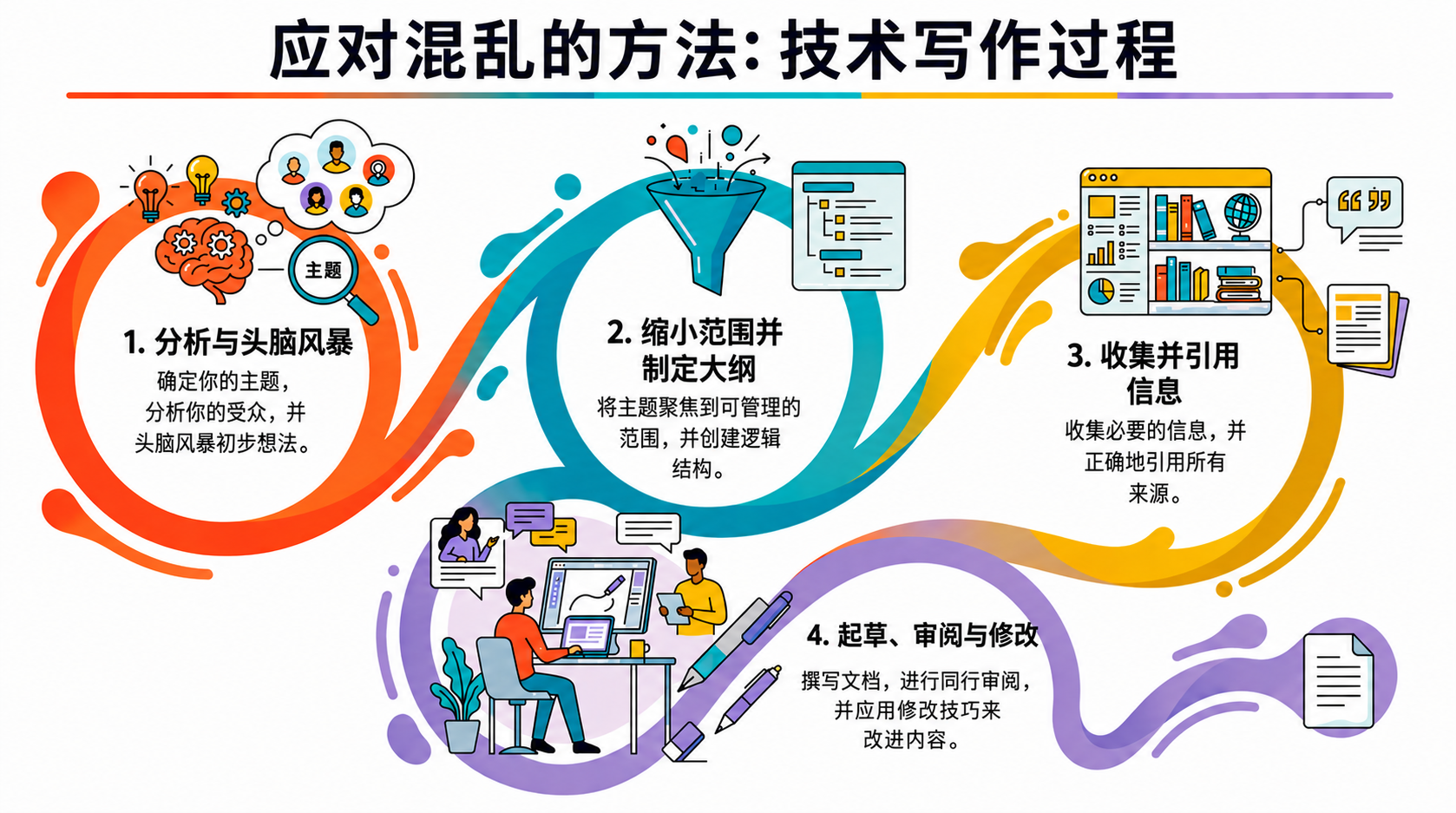
NotebookLM 生成的这一章的信息图表
什么是说服的工具?
古典的说服方法由亚里士多德(公元前384年 - 公元前322年)提出。 修辞艺术, 涉及这些对读者和听众的呼吁(记得你的修辞与写作101吗?):
- 逻辑诱因—When you use reasons and arguments, backed up by facts and logic, to make your case, you are using the logical appeal. We normally think of the logical appeal as the only legitimate method of argument, but the "real world" shows us differently.
- 情感吸引—Apabila anda cuba membangkitkan kemarahan atau simpati orang dalam usaha meyakinkan, anda menggunakan rayuan emosi. Menunjukkan seorang gadis kecil melarikan diri dari sebuah kampung yang terbakar akibat dibom oleh pesawat perang atau burung camar yang dipenuhi minyak di pantai yang musnah akibat tumpahan minyak —gambar-gambar ini menimbulkan emosi seperti kemarahan, ketakutan, simpati; tetapi ia tidak membentuk hujah logik untuk atau menentang apa-apa. Namun, gambar-gambar ini boleh menarik perhatian pembaca dan menyebabkan mereka memberi lebih perhatian kepada usaha meyakinkan anda yang seterusnya.
- 个人呼吁—When you share your qualifications, experience, expertise, and wisdom, or those of others, to gain the readers' trust, you are using personal appeal. Similar to emotional appeal, personal appeal lacks logical backing. It’s like saying, "Trust me." Still, readers often want to know who you are and why you can speak confidently on the topic. Just like emotional appeal can be effectively used to grab readers' attention and make them care about your message, the right amount of personal appeal can help build their confidence in you—or at least encourage them to listen.
You might also have come across the "stylistic" appeal: using language and visual effects to boost persuasive power. For instance, a glossy, fancy design for a resume can create a positive impression just as much as the content.
In your rhetoric and composition studies, you may also have come across something called the Toulmin approach to persuasion. The complete system includes claims, grounds, warrant, backing, and rebuttal, but a particularly useful element is the rebuttal, along with another known as the concession.
- 反驳。 In a rebuttal, you directly address counter-arguments that your persuasive opponents might bring up. You show how they are wrong or, at least, how they don't affect your overall argument. Picture yourself face to face with your persuasive opponents—what arguments are they going to come back at you with? How are you going to answer those arguments? In a written persuasive effort, you must simulate this back-and-forth, debate-style argumentative process. Imagine your opponents' counter-arguments (arguments they might put forth against your position) and then imagine your own rebuttals (your answers to those counter-arguments).
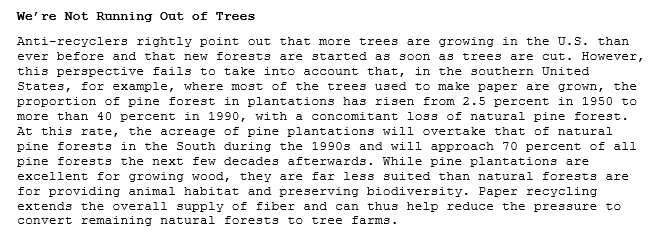
- 反驳。 一个说服可以完全围绕拆解对手的论点来构建。考虑这个例子:

反对论点的例子。 段落开始时重复了一个反对回收利用的论点,然后承认其中有一定的真理,但最后表明这并不重要。
See the complete contoh. - 让步。 在让步中,你承认某些对立的论点确实有一定的合理性,但你解释它们如何并不影响你整体的论点。让步增强个人吸引力:它们让你显得更开明。
- 合成。 Modern rhetoricians encourage us not to see the persuasive process as a win-lose, all-out battle. When people are set in their ways, they ignore the arguments from the other side. This kind of inflexibility stops us from resolving issues and moving on with our lives. Instead, the process of counter-argument, rebuttal, and concession should be genuine and ongoing until everyone finds a middle ground where they lay down their weapons and agree.

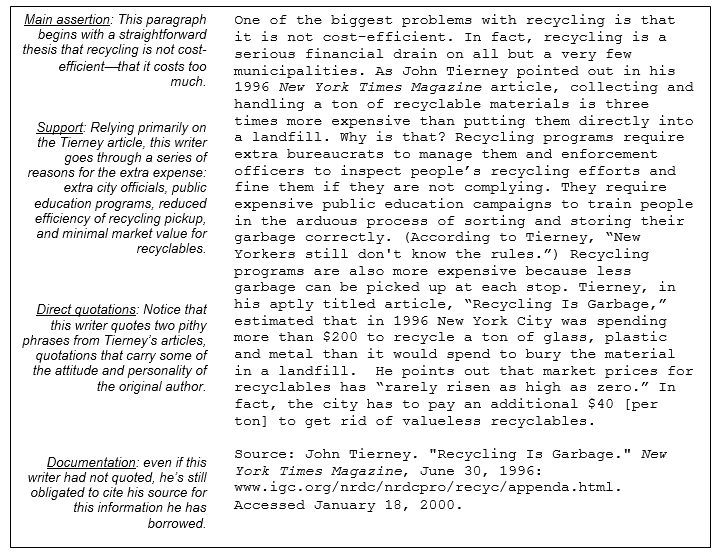
Are you tired of scrolling through endless social media feeds, feeling disconnected from real life? Imagine spending just 30 minutes a day engaging in a hobby you love or connecting with friends face-to-face. Prioritizing these moments can boost your happiness and overall well-being. It’s time to put down your phone and rediscover what truly matters in life. Making this small change can lead to greater fulfillment and stronger relationships. Don’t you owe it to yourself to give it a try? 这段落是几段试图抹黑回收运动的其中一段。
在说服中的常见缺陷有哪些?
你也应该了解在劝说时可能出现的逻辑谬误:
- 匆忙的概括。 When you make a conclusion based on too little evidence, that's a hasty generalization. For example, if you think there's a big trend to go back to the 70's look just because you see two or three bellbottoms and paisley shirts one day, you’ve made a hasty generalization based on a very small and incomplete sample.
- 无关的、个人攻击的论点。 When you base all or part of your persuasive effort on your opponent's character, behaviour, or past, that's an 人身攻击 argument (意思是“针对个人”在拉丁文). 如果一个中年政治候选人因为在大学抽大麻而受到攻击,那可能是一个无关的个人攻击。
- 滑坡论证。 滑坡论点主张,最初采取的步骤是导致一系列事件的前兆,这些事件最终会带来不利或灾难性的结果。见 Slippery Slope - Definisi dan Contoh for details. It juga boleh ditakrifkan sebagai "sebuah tuntutan bahawa tindakan yang agak kecil atau tidak berbahaya akan secara tidak dapat dielakkan mencetuskan rangkaian peristiwa yang akan berakhir dengan hasil yang ekstrem atau tidak diingini."
- 潮流效应。 如果你把你的说服努力完全或部分建立在“人人都在做”的想法上,那你就是在使用随大流效应。商业广告常常使用这个策略:大家都在买这个产品—所以你也应该买!
- 错误因果关系。 如果你认为因为一个事件发生在另一个事件之后,第一个事件就导致了第二个事件,你可能是在做一个基于错误因果关系的论述。例如,想象一下你的父亲在1984年作为一名普通员工加入IBM,随后不久公司开始了近乎灭绝的历史滑坡。再想象一下,他在1995年离开公司,此时公司开始了令人惊讶的复苏。难道真的是你爸爸差点把公司拖垮吗?他的离开是否拯救了公司?
- Oversimplistic, either – 或者 arguments. 如果你把选择缩减到你偏好的一个和一个完全不可接受的一个,你就是在使用一个过于简单化的,非黑即白的论点。核电厂的支持者可能会争辩说,要么我们建设这个,要么我们就没有电可用。
- 虚假类比。 When you compare a situation to a simple object or process, that's an 类比. When you base an entire persuasive effort on an analogy, you might face issues. Some analogies are simply incorrect from the start. Eventually, all analogies have their limits. For instance, arguments about global warming frequently use the analogy of a car heating up when the windows are wound up. The Vietnam War was justified by comparing it to how dominoes fall when they are lined up. Analogies can aid in comprehension, but they do not validate an argument.
如何撰写一份有说服力的文件
以下是关于在技术写作内容中有效说服的指南:
- 仔细选择你的主题和处理方法。 找一个说服项目就像试图挑起争斗。首先考虑当今的主要问题—全球变暖、臭氧层消耗、替代燃料、大众运输、农药、零人口增长、太阳能、克隆(生物工程)、堕胎、计算机和视频游戏暴力的影响、死刑、核武器、化学战争。这些主题都有多个热烈争论的问题。技术写作课程并不是你在过去的写作课程中可能写过的常见正反两方面论述和写给编辑的信的地方。然而,这些主题都有技术方面的内容,挑战你作为技术写作者的能力。
What are the logical arguments for recycling — more specifically, a city-based curb-side recycling program? They range from altruistic (for the city, for the planet) to selfish (to reduce waste management costs, to decrease taxes). Which arguments you use depends on your readers. Altruistic arguments may not resonate with certain conservative or business readers or with city administrators, but they might be crucial in getting ordinary citizens to support the program. - 定义你每一个论点;计划你将如何支持它们。 你必须证明每个逻辑论点,使用支持数据、推理和例子。你不能只是简单地说某样东西更便宜、效果更好、带来好处,并且被公众接受—你必须证明确实如此!
In your effort to persuade the city to consider recycling, you might state that such a program would lessen the need for landfill space. How can you back this up? Research a bit. Find out the city's daily landfill input; what are the costs involved? Can you figure out what percentage of that comes from recyclables? If you can obtain credible figures, calculate the savings in terms of volume and money. - 考虑情感呼吁。 最好情况下,情感呼吁能吸引读者的注意力,让他们关心这个问题。最坏情况下,它们会激起恐惧和愤怒等强烈情感,阻碍读者清晰地思考这个问题。
What emotional appeals can you use for the recycling promotion (not that you actually would, of course)? Pictures of overflowing landfills might work; pictures of shrinking natural habitats, filled with deer, chipmunks, hummingbirds — these might work. Would they tug at the heartstrings of your readers, or would readers cynically say "give me a break"? How would you feel about using such tactics? - 考虑个人请求。 像情感呼吁一样,个人呼吁与论点没有逻辑上的相关性。如果你使用个人呼吁,你试图让读者对你作为一个有知识和可靠的人建立信心。引用多年的经验和教育是建立个人呼吁的一个常见例子。
什么个人呼吁可以用来进行回收的劝说?为了让人们接受你的数据,可以引用可信的来源,例如政府报告或知名专家。为了增加你的可信度,描述你在这一领域的过去经验和培训。也许还可以提到你作为这座城市的长期居民。这些呼吁虽然不一定有直接相关性,但可能会让人们愿意倾听你。 - Address any counter-arguments. It's a good idea to address counter-arguments—objections people might raise in relation to your argument. Imagine people out there saying "but—but—but—!" Discuss their counter-arguments and show how they are wrong, how they can be addressed, or how they are irrelevant to your main point. Notice that the persuasive document advocating recycling is structured on counter-arguments:
回收:不是浪费钱或时间!
关于回收计划,你必须解决标准的反对意见。 It's a hassle lah. You might argue back that recycling is just as easy as taking out the trash. Sorting everything and keeping in separate bins is a hassle.. That one is easy——most recycling programmes don’t require sorting. 它很乱,还会吸引虫害。. Hmmm, itu sukar sedikit — masa untuk buat penyelidikan. - 规划一个引言。 在说服的引言中,你不能一开始就大张旗鼓。立刻陈述你的主论点并不是必要的。相反,只需指明主题—而不是你关于它的主要观点。你的读者更可能愿意倾听你。
This document investigates the possibilities for recycling, aimed at both city officials and ordinary citizens. We’ll explore current and projected landfill use along with associated costs, examine the amount of recyclables in municipal waste and their recyclable value, and highlight potential revenue from implementing a recycling program. Additionally, we will discuss the costs of the recycling program itself and outline the necessary administrative and citizen participation required for its success. - 考虑结论。 在说服的最后部分,通常是一个“真实”的结论。如果你还没有明确表达你的主要论点,现在是时候了。当你这样做时,总结支持它的主要论点。
虽然引言可能是安静低调的地方,但结论则是强调你主要观点的地方。明确而有力地指出城市应该实施回收计划,然后总结主要原因。
相关信息
阅读测验. Gunakan kuiz ini untuk menguji pemahaman anda tentang bab ini.
Carl Sagan's Bullshit Detection Kit 更多缺陷。
争论. Universiti North Carolina di Chapel Hill
谬论. Universiti North Carolina di Chapel Hill
I would appreciate your thoughts, reactions, and feedback on this chapter: response—大卫·麦穆里